

Non-surgical facelift treatments offer several ways to address wrinkles, volume loss, uneven texture, and mild skin laxity without traditional facelift surgery. Options can include injectables, laser procedures, radiofrequency, microneedling, and chemical peels, each with different benefits, risks, costs, and recovery times. Understanding what non-surgical treatments can realistically accomplish is essential before choosing one.
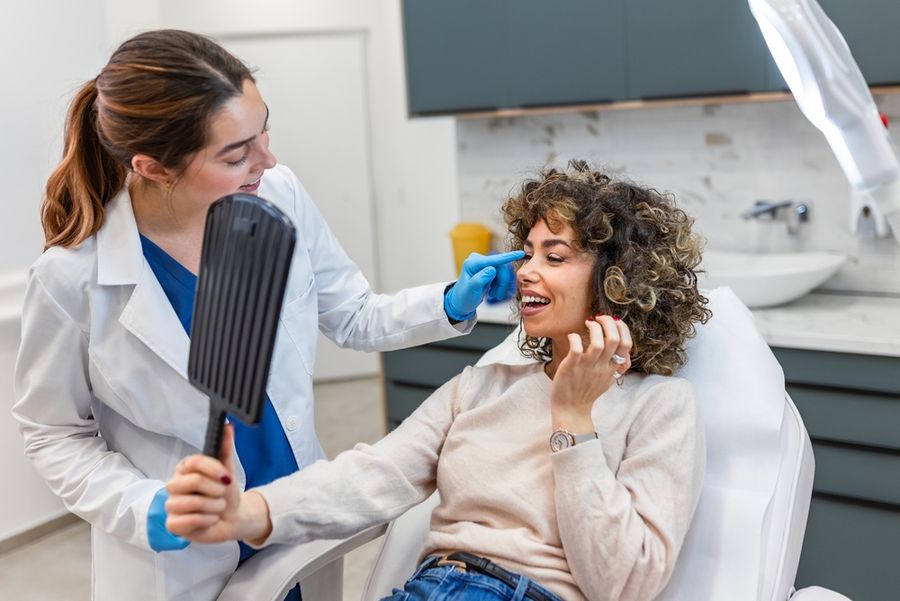
What Is a Non-Surgical Facelift?
A non-surgical facelift refers to a collection of minimally invasive or noninvasive procedures designed to temporarily improve the texture, firmness, and overall appearance of facial skin. Unlike a traditional surgical facelift, these treatments do not require large incisions, general anesthesia, or an overnight hospital stay (source). Instead, they use targeted injections, energy-based devices, or topical techniques to address common signs of aging such as fine lines, wrinkles, and volume loss.
The popularity of these procedures has grown significantly over the years. Minimally invasive cosmetic procedures performed in the United States number in the millions annually, with treatments like botulinum toxin injections, dermal fillers, and laser skin resurfacing consistently topping the list (source). This trend reflects a broader shift in patient preferences toward treatments that deliver noticeable improvements without the recovery demands of surgery.
Common Treatments Included in a Non-Surgical Facelift
A non-surgical facelift is rarely a single treatment. Most providers design a customized combination of procedures based on a patient's skin type, concerns, and goals. Some of the most frequently used options include dermal fillers, botulinum toxin, laser resurfacing, microneedling, and chemical peels.
Dermal Fillers
Dermal fillers are injectable substances that restore volume and smooth out areas of the face that have lost fullness over time. They can be made from several materials, including hyaluronic acid, which is known for its moisture-retaining and plumping properties (source). Depending on the type of filler used and where it is applied, results can last anywhere from six months to multiple years (source).
Botox
Botulinum toxin injections, commonly known by brand names such as Botox, work differently from fillers. Rather than adding volume, these injections temporarily relax the specific facial muscles responsible for expression-related creasing, such as forehead lines and crow's feet (source). The effects typically last around three months before a follow-up treatment becomes necessary (source).
Laser Skin Resurfacing and Microneedling
Laser skin resurfacing and radiofrequency-based treatments address skin firmness and texture at a deeper level. These energy-based technologies stimulate collagen production beneath the skin's surface, which helps reduce sagging and improve overall tone (source). Microneedling is another option that works across all skin types to diminish fine lines, sagging, and surface irregularities when performed by a qualified provider (source).
Chemical Peels and PRP
Chemical peels offer a different approach by removing the outermost layers of skin to reveal a fresher, more even complexion beneath. A dermatologist will typically conduct a consultation beforehand to evaluate whether a particular peel is appropriate for the patient's skin and to set realistic expectations for outcomes (source). Platelet-rich plasma (PRP) therapy, sometimes referred to as the "vampire facelift," has also attracted attention as a treatment that uses components drawn from the patient's own blood to potentially encourage skin renewal (source).
Benefits and Realistic Expectations
One of the primary advantages of non-surgical options is the reduced recovery period compared to traditional surgery. Most patients can return to their daily activities quickly, and procedures can often be performed during a routine office visit. For many individuals, the ability to see gradual, natural-looking improvement without visible surgical scarring or extended downtime is a compelling reason to pursue these treatments.
However, it is equally important to understand what these procedures cannot do. Non-surgical facelifts are generally less effective for deep-set wrinkles, severely loose skin, or prominent scarring (source). They are best suited for individuals in the earlier stages of facial aging or those looking for ongoing maintenance between surgical procedures.
Maintenance is also a key consideration. Because these treatments are temporary in nature, results must be sustained through repeated sessions. Over time, however, the skin and underlying muscles may adapt, potentially allowing providers to use smaller amounts of product to achieve comparable results (source). Patients who understand this ongoing commitment tend to experience greater satisfaction with their outcomes.
Choosing the Right Provider
The qualifications of the provider performing these treatments matter significantly. The American Academy of Dermatology recommends consulting with a board-certified dermatologist to ensure that any cosmetic procedure is both safe and aligned with realistic goals (source). Board-certified plastic surgeons and licensed medical aestheticians with appropriate training are also qualified to administer many of these treatments, but patients should verify credentials and ask detailed questions before proceeding.
A thorough consultation should cover the patient's medical history, current medications, skin type, and specific concerns. Certain ingredients in fillers or specific treatment energies may not be suitable for all patients. Transparent communication between the patient and provider helps ensure that the selected approach delivers the desired outcome while minimizing the risk of complications.
Why You Should Learn More About Non-Surgical Facelifts Today
Non-surgical facelifts represent a broad and evolving category of cosmetic care that continues to expand as technology and techniques advance. From injectable treatments that restore lost volume to energy-based procedures that stimulate natural collagen production, these options give patients meaningful choices when it comes to facial rejuvenation. The results are temporary but can be maintained with consistent treatment, and the relatively low-risk profiles make them accessible to a wide range of candidates.
Anyone considering these procedures benefits most from working with a qualified, board-certified provider who can assess individual needs and recommend the most effective, safe combination of treatments. Understanding the full scope of what these procedures offer, and what they do not, is the foundation of a satisfying cosmetic experience.
Sources
Cleveland Clinic overview of nonsurgical facelift options, benefits, and risks
American Society of Plastic Surgeons explanation of nonsurgical facelift components and maintenance
American Academy of Dermatology guide to cosmetic skin rejuvenation treatments