

Dental implant clinical trials give eligible participants a chance to take part in research on new materials, devices, surgical techniques, and healing approaches. Depending on the study, participants may receive additional monitoring or access to an intervention still being evaluated. Those potential benefits come with important eligibility requirements, time commitments, and risks that should be understood before enrolling.
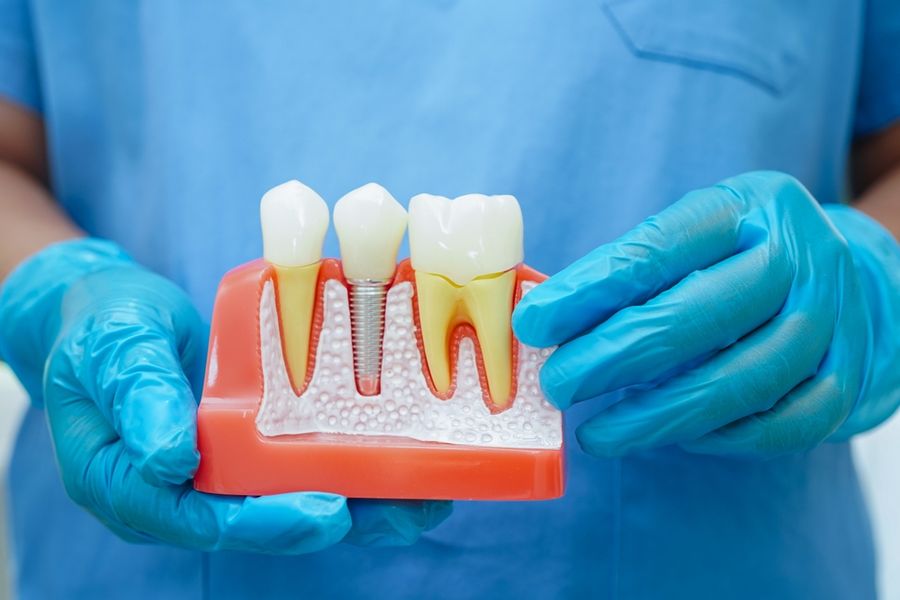
What Dental Implant Clinical Trials Actually Are
Clinical trials are structured research studies designed to evaluate new treatments, devices, or procedures in human participants under carefully controlled conditions (source). In the context of dental implants, these trials may examine new implant materials, surgical techniques, healing protocols, or ways to improve long-term outcomes for patients with tooth loss. Each registered trial follows a specific protocol reviewed and approved by an ethics committee before any participant is enrolled.
In the United States, patients can search for active dental implant studies through ClinicalTrials.gov, the official government registry of clinical research (source). Every listing generally includes information such as the study sponsor, recruitment status, eligibility criteria, locations, interventions, and outcome measures. Some studies also list a clinical phase when that designation applies.
Access to Emerging Treatments Before They Are Widely Available
One of the most compelling reasons patients choose to join dental implant trials is the opportunity to receive treatments that are not yet available through standard dental care. Researchers develop new implant designs, surface coatings, and bone regeneration techniques years before those innovations reach everyday dental offices. Participants in trials may gain access to those advances while they are still being evaluated.
Beyond the novelty of new technology, trial participants typically receive close, consistent monitoring from specialized research teams. The structure of a randomized clinical trial requires ethics committee approval, protocol compliance oversight, and dedicated research staff actively involved in patient care. This heightened level of surveillance and support may result in measurably better outcomes compared to what patients receive during routine treatment (source).
Safety Protections Built Into Every Trial
A common concern among patients considering trial participation is safety. Legitimate clinical trials are built around strict safeguards. Clinical trials involving human participants are subject to ethics and regulatory oversight designed to protect participants’ rights and welfare, but those safeguards do not eliminate all possible risks. Each study record on ClinicalTrials.gov includes informed consent form information so that participants can fully understand their rights before enrolling (source).
Patients should also be aware that not every offer they encounter is legitimate. The National Institute of Dental and Craniofacial Research has explicitly noted that advertisements, emails, or text messages promoting dental implant clinical trials through the NIDCR are likely fraudulent (source). Verifying a trial through ClinicalTrials.gov or through a licensed dental provider is the recommended approach to finding authentic research opportunities.
Contributing to the Future of Oral Health Care
Trial participants do more than pursue personal health benefits. Their involvement directly shapes the evidence base that dental professionals rely on when adopting new treatments. Researchers depend on voluntary enrollment to gather the data needed to evaluate whether an intervention is safe and effective enough to become standard practice. The National Library of Medicine says, "Eligible participants enrol in RCTs voluntarily in the hope that, in addition to the possibility to obtain a health improvement individually, their participation will benefit health status in future patients" (source).
When a dental implant trial concludes successfully, the findings can influence clinical practice guidelines and healthcare policy, ultimately expanding treatment options for millions of patients who were never part of the study themselves. The National Institute of Dental and Craniofacial Research emphasizes that patient involvement helps researchers uncover better ways to treat, prevent, and understand oral health conditions (source).
Who May Qualify and How to Find a Trial
Eligibility for dental implant trials varies from study to study. Each registered trial lists specific inclusion and exclusion criteria, which may relate to age, overall health, bone density, the number of missing teeth, or prior dental history. Reviewing those criteria carefully helps prospective participants determine whether a specific study is appropriate for their situation (source).
Studies are categorized on ClinicalTrials.gov by intervention type, geographic location, and current recruitment status, making it practical for patients across the country to identify nearby opportunities. Consulting with a dental provider about trial options is also a productive step, as many clinicians maintain connections to research networks and can help match patients with appropriate studies.
Why You Should Learn More About Dental Implant Clinical Trials Today
Dental implant clinical trials can give eligible participants an opportunity to contribute to research on new materials, devices, and treatment approaches while receiving structured study-related follow-up. Some studies may also provide access to an intervention that is still being evaluated, although participation does not guarantee a better outcome or even receipt of the experimental treatment.
Before enrolling, patients should carefully review the study requirements, possible risks, time commitment, treatment alternatives, and any costs involved. Verified listings on ClinicalTrials.gov and discussions with a licensed dental professional can help determine whether a particular study is appropriate. For the right participant, a well-designed trial can be a meaningful way to support future advances in restorative dentistry.