

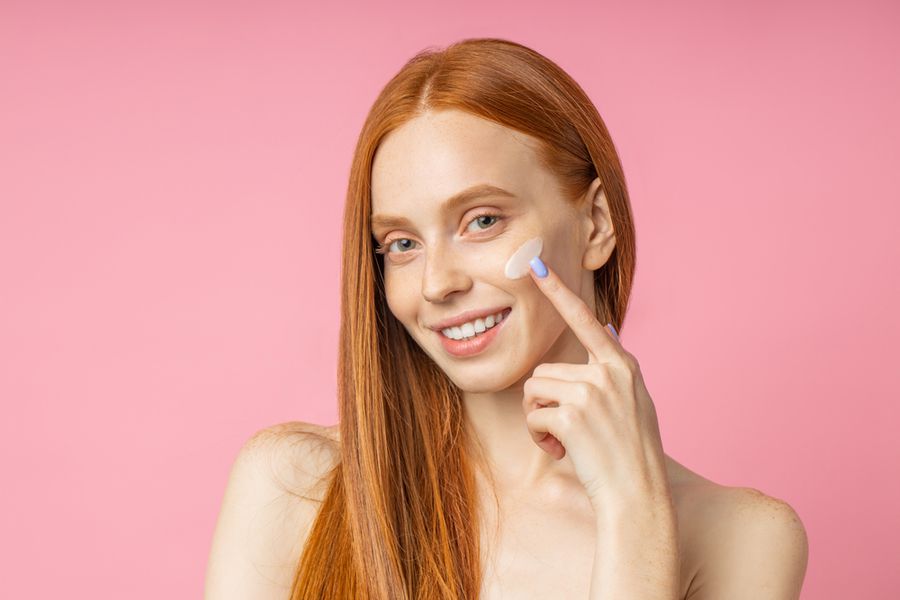
Makeup products often receive most of the attention, but what happens before foundation can have a major impact on the final result. Primers are designed to create a smoother canvas, improve wear time, and address concerns like shine, dryness, redness, or visible pores. With countless formulas available, selecting the right option can feel overwhelming. Understanding how different primer types work can help simplify the process and lead to a more polished, comfortable makeup experience.
Primer Comparison Table
|
Primer Type |
Best For |
Key Benefits |
Potential Drawback |
|---|---|---|---|
|
Silicone-Based |
Oily skin, visible pores |
Smooths texture, blurs pores, extends wear |
Can feel heavy for some users |
|
Hydrating |
Dry or dehydrated skin |
Adds moisture and creates a fresh finish |
May not control oil well |
|
Mattifying |
Oily and combination skin |
Reduces shine and helps makeup last longer |
Can emphasize dry patches |
|
Illuminating |
Dull or mature skin |
Adds radiance and glow |
May increase shine on oily skin |
|
Color-Correcting |
Redness, discoloration, uneven tone |
Helps balance skin tone before foundation |
May require careful color matching |
|
Gripping |
Long-wear makeup looks |
Helps the foundation adhere to the skin |
Slightly tacky texture |
|
Mineral-Based |
Sensitive skin |
Lightweight and often fragrance-free |
Usually offers fewer texture-smoothing benefits |
|
SPF Primer |
Daily sun protection users |
Combines prep and UV protection |
Often requires additional sunscreen for full coverage |
What Do Makeup Primers Actually Do?
A makeup primer acts as a preparatory layer between skincare products and makeup. Its purpose is to create a more even surface, helping foundation, concealer, and other complexion products apply more smoothly. Depending on the formula, a primer may add hydration, absorb excess oil, minimize the appearance of pores, or brighten dull skin. Many users also appreciate how primers can help makeup maintain its appearance throughout the day.
Not every person needs a primer, but it can be particularly useful when dealing with specific skin concerns. Someone with oily skin may use a mattifying formula to reduce shine, while a person with dry skin may prefer a hydrating option to prevent makeup from settling into flaky areas. The best primer is often the one that addresses a specific concern rather than attempting to solve every issue at once.
Different Primer Types
Silicone-Based Primers
At a Glance
- Best for smoothing pores and texture
- Often creates a soft-focus finish
- Popular for oily and combination skin
- Helps the foundation glide on evenly
Silicone-based primers are among the most common options on the market. They typically contain ingredients that create a silky layer over the skin, helping to blur enlarged pores and uneven texture. Many people choose them when they want a smoother-looking complexion or longer-lasting foundation. While effective for many skin types, some users find them too heavy if their skin is very dry or sensitive.
Hydrating Primers
At a Glance
- Best for dry or dehydrated skin
- Adds moisture before makeup application
- Creates a fresh, healthy-looking finish
- Helps reduce the appearance of dry patches
Hydrating primers focus on delivering moisture and comfort to the skin before makeup application. They often contain ingredients such as hyaluronic acid, glycerin, or other humectants that help attract and retain moisture. People with dry skin frequently find that hydrating primers improve foundation application and reduce the likelihood of makeup appearing cakey or flaky throughout the day.
Mattifying Primers
At a Glance
- Best for oily skin
- Helps control excess shine
- Can extend makeup wear
- Often targets the T-zone
Mattifying primers are designed to absorb excess oil and create a shine-free finish. They are particularly popular among people whose makeup tends to break down or become greasy after several hours. By reducing surface oil, a mattifying formula can help foundation maintain a fresher appearance throughout the day, especially in warm or humid conditions.
Illuminating Primers
At a Glance
- Best for dull or tired-looking skin
- Adds radiance beneath makeup
- Can create a natural glow
- Popular for mature skin types
Illuminating primers contain light-reflecting particles that help create a brighter, more radiant appearance. Rather than focusing on oil control, they are designed to enhance luminosity and give skin a healthy-looking glow. Many people use illuminating primers under lightweight foundations or tinted moisturizers when they want a more natural, fresh-faced makeup look.
Color-Correcting Primers
At a Glance
- Best for redness or uneven skin tone
- Available in different color shades
- Helps reduce reliance on heavy foundation
- Can create a more balanced complexion
Color-correcting primers use specific colors to visually counteract common skin concerns. Green primers are often used to reduce the appearance of redness, while peach, lavender, or yellow tones can help brighten dullness or balance discoloration. They work beneath the foundation to create a more even-looking base and may help reduce the amount of coverage needed from other makeup products.
Gripping Primers
At a Glance
- Best for long-wear makeup
- Creates a slightly tacky surface
- Helps foundation stay in place
- Popular for special events and long days
Gripping primers have become increasingly popular because of their ability to help makeup adhere to the skin. Unlike traditional smoothing primers, they leave behind a slightly sticky texture that helps foundation and concealer remain in place for longer periods. People who need their makeup to last through long workdays, weddings, or special events often gravitate toward gripping formulas.
Mineral-Based Primers
At a Glance
- Best for sensitive skin
- Often lightweight and breathable
- Frequently fragrance-free
- Compatible with mineral makeup
Mineral-based primers are designed for individuals who prefer simpler ingredient lists or have easily irritated skin. Many formulas avoid heavy fragrances and common irritants while still providing a smoother makeup application. Although they may not blur texture as dramatically as silicone-based options, they can offer a comfortable, lightweight feel that works well for everyday use.
SPF Primers
At a Glance
- Best for adding an extra layer of sun protection
- Combines makeup prep and UV defense
- Convenient for daily routines
- Available in various finishes
SPF primers combine traditional primer benefits with sun protection. While they shouldn't replace a dedicated sunscreen, they can provide an additional layer of defense against UV exposure. Many people appreciate the convenience of simplifying their morning routine while still creating a smooth base for foundation and other complexion products.
Choosing a Primer Based on Your Skin Type
Selecting a primer often becomes easier when you start with your skin type. People with oily skin generally benefit from mattifying or pore-blurring formulas that help reduce shine and improve makeup longevity. Combination skin may benefit from using different products on different areas of the face, such as a mattifying primer in the T-zone and a hydrating formula on drier areas.
Dry skin typically responds well to hydrating primers that help maintain moisture throughout the day. Mature skin often benefits from illuminating formulas that add radiance and reduce the appearance of dullness. Sensitive skin may prefer mineral-based options with fewer potentially irritating ingredients. Rather than choosing a primer based solely on popularity, matching the formula to your skin's specific needs often produces the best results.
Common Primer Application Mistakes
Many makeup users apply primer immediately after skincare products without allowing moisturizer or sunscreen to absorb properly. When products are layered too quickly, pilling or uneven texture can occur. Waiting a minute or two between skincare and primer can help create a smoother foundation application.
Another common mistake is using too much product. Primer is meant to create a thin, even layer rather than a thick coating across the skin. Applying excessive amounts may cause the foundation to slide, separate, or look heavy. It's also important to pair compatible products when possible. For example, some silicone-heavy primers may not perform as expected with certain water-based foundations. Taking a little time to test combinations can help avoid frustration later.
FAQ: Makeup Primers Explained
Do I need a primer every day?
Not necessarily. Many people wear makeup successfully without primer, but it can help address concerns such as oiliness, dryness, redness, or makeup longevity.
Can primer replace moisturizer?
No. Primer and moisturizer serve different purposes. Moisturizer hydrates the skin, while primer prepares the surface for makeup application.
Should primer go before or after sunscreen?
Primer should be applied after sunscreen. Sunscreen should always be the final step in your skincare routine before makeup.
Can I wear primer without foundation?
Yes. Some primers can be worn alone to create a smoother appearance, reduce shine, or add a subtle glow without additional makeup.
Why does my foundation pill after applying primer?
Pilling can occur when products are layered too quickly, incompatible formulas are mixed, or too much primer is applied.
Finding the Formula That Works for You
Makeup primers aren't one-size-fits-all products. Different formulas are designed to solve different concerns, from excess oil and visible pores to dryness and uneven tone. Understanding what each type is designed to do can make the shopping process far less overwhelming.
The best primer is ultimately the one that complements your skin type, makeup routine, and personal preferences. Whether your goal is longer-lasting foundation, a smoother finish, or a more radiant complexion, choosing a formula tailored to your needs can help create a more polished and comfortable makeup experience every day.